


Winter Is Where Champions Are Built
Every masters cyclist wants to be stronger in summer — but the truth is, that strength is built right now. Winter is the engine‑building season, the time when you lay down the aerobic foundation that determines everything: your recovery, your race durability, your ability to handle intensity later in the year. Principle 1 is simple but powerful: build the aerobic engine first. The rest of your performance depends on it.
Build the aerobic engine first
Why Aerobic Training Matters More With Age?
As we get older, two things happen:
- VO₂ max declines naturally
- Recovery from high‑intensity work becomes slower
But the aerobic system remains incredibly adaptable. You can still make meaningful gains in:
- Endurance
- Fatigue resistance
- Oxygen delivery
- Metabolic efficiency
(These four points are topics for the future!)
A strong aerobic base also protects you from injury, supports hormone balance, and improves long‑term health — not just cycling performance.
How to Build a Strong Aerobic Engine This Winter?
1. Prioritise Zone 2 Training
Zone 2 is where the magic happens for masters athletes. It improves mitochondrial density, fat utilisation, and endurance without creating unnecessary fatigue. Most riders think they’re in Zone 2… but drift into tempo. That’s why using both heart rate and power is essential.
2. Increase Weekly Aerobic Volume Gradually
You don’t need massive hours — you need consistent hours. Add 15–30 minutes per week, not 2–3 hours at once. Small increases compound beautifully over winter.
3. Use HR + Power to Stay Disciplined
Power tells you what you’re doing. Heart rate tells you how your body is responding. Together, they keep you honest and prevent endurance rides from becoming “accidental tempo”.
4. Avoid Turning Endurance Rides Into Tempo Rides
This is the biggest mistake masters cyclists make. Tempo is useful — but only when it’s planned. If every endurance ride becomes a tempo ride, you lose the aerobic benefits and accumulate unnecessary fatigue.
The Payoff: Everything Gets Better
A strong aerobic base improves:
- Recovery between sessions
- Strength training quality
- High‑intensity performance
- Race durability
- Long‑term health and resilience
It’s the engine that keeps you competitive well into your 40s, 50s, and beyond.
MaxVelo Note
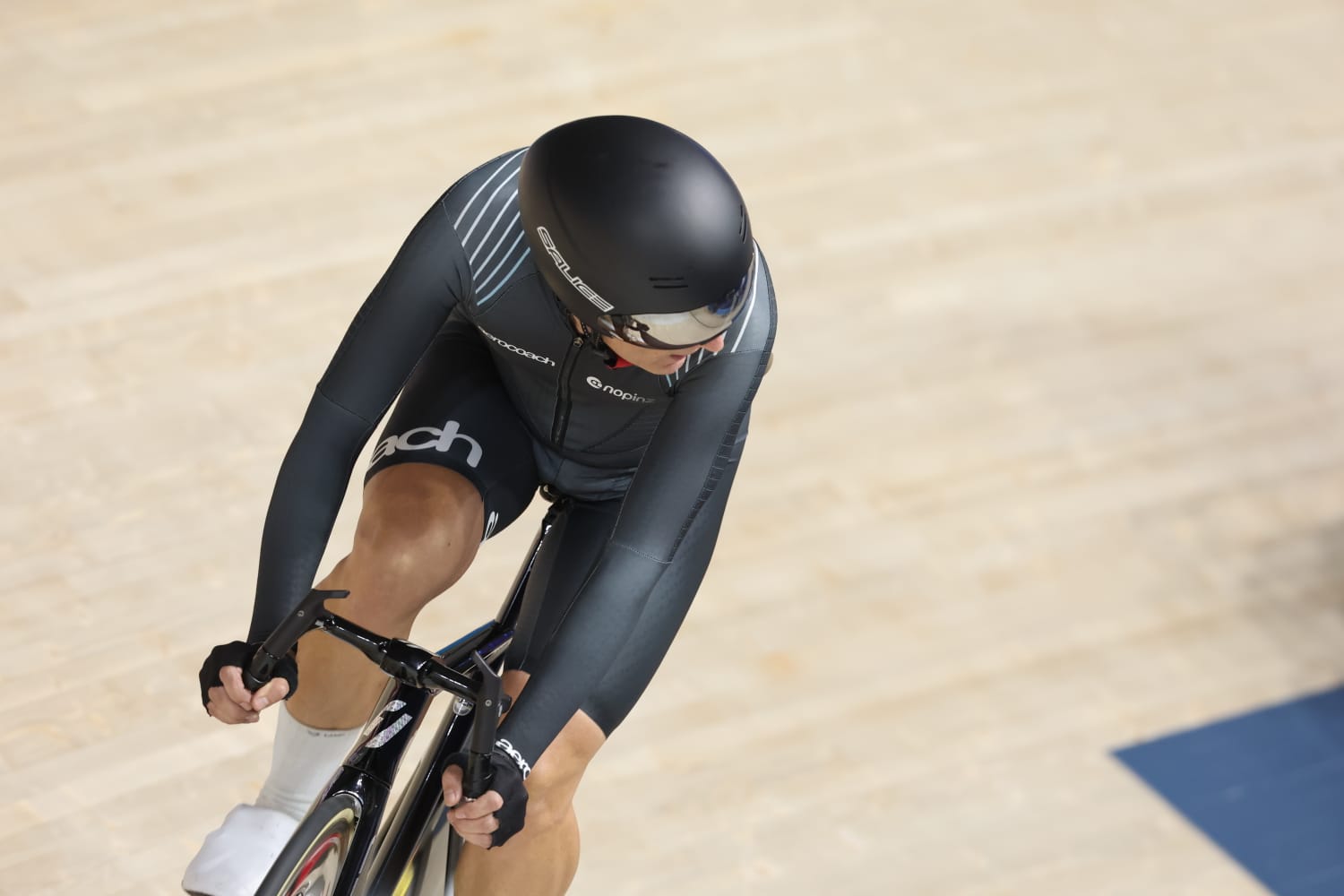
This winter, I’m intentionally focusing on my own aerobic foundation as I prepare for the start of track season in July and the build toward Worlds in October. Yes, I still include two quality interval sessions each week — but those sessions only work because the aerobic engine underneath them has been compounding for years. That’s the real secret for masters athletes. You don’t need more intensity; you need more focus, more discipline, and more commitment to the fundamentals. And it all starts with the aerobic base.
 |
How to Build a Winter Training Rhythm That Works?
Winter is the perfect time to simplify your structure:
- 2–3 key sessions per week
- 1–2 easy endurance rides
- Optional indoor technique or cadence work
- Strength training once or twice a week
Small, repeatable habits beat complicated plans. If you miss a day, you don’t “start over” — you just continue the rhythm.
Local races: Show Up, Stay Sharp
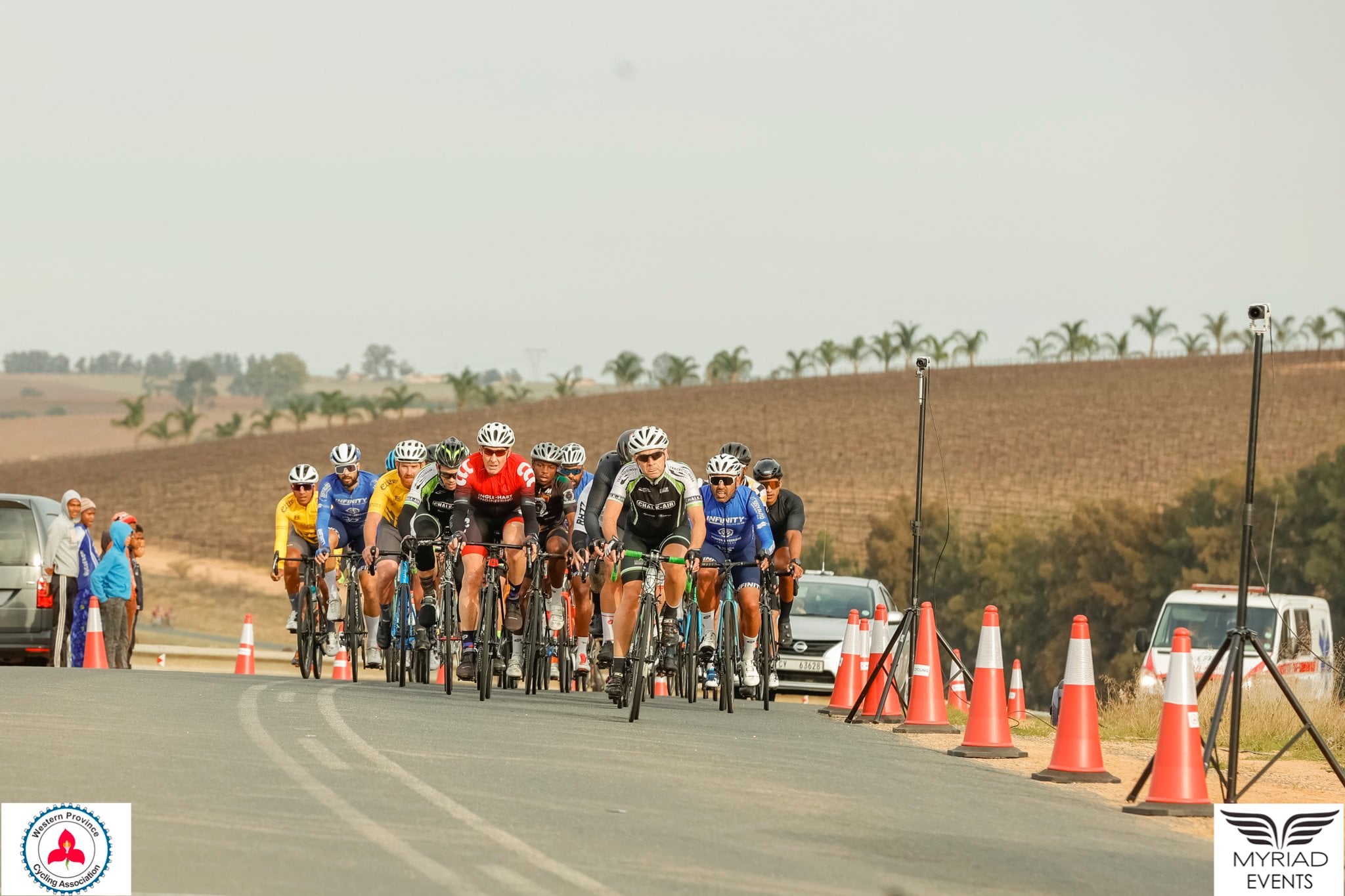
Racing winter is one of the best ways to maintain consistency. You don’t need peak form — you just need to participate.
Racing in winter keeps your skills sharp, your motivation high, and your training purposeful.
If you’re unsure whether to race, the answer is almost always yes. Category specific winter road races and club events are ideal for masters who want to stay sharp.
 |
MaxVelo Note
This winter, I’m sharing my own training rhythm as I prepare for the start of track season in July. Masters athletes thrive when they train with purpose — and that purpose shifts through the year. In summer, my entire focus was on peaking for the Track races in Manchester and London. Everything revolved around sharpening my 2–5 minute power for the individual pursuit. Shorter, high‑quality intervals. High cadence work. Precision. Specificity.
Winter is different. Now I’m deliberately stepping into the longer events in the WP Winter League to stimulate new adaptations. These races force me to work on the parts of my engine that matter most for masters athletes: 20‑minute power, 60‑minute power, and the ability to stay strong late in a race. It’s uncomfortable, but it’s exactly the kind of stimulus that builds the aerobic depth I’ll rely on later in the year.
This rhythm — shifting from peak‑specific work in summer to aerobic development in winter — is what keeps performance progressing year after year. Masters athletes don’t need more intensity; they need the right intensity at the right time, anchored by a strong aerobic foundation. And that’s what we’re building together this winter.
If this newsletter helped you refocus your winter training, share it with another masters cyclist who could benefit from a stronger aerobic foundation. The MaxVelo community grows one purposeful rider at a time. SUBSCRIBE


