

The Bellville Velodrome was packed. A sold-out crowd of 2 000 filled the stands for an international track meeting — something many still regard as a niche sport in South Africa. Familiar faces from four decades of my own cycling life mixed with new ones: children, parents, and grandparents. The atmosphere felt alive in a way that only happens when a community shows up. How does a velodrome fill for track cycling in this country?

The discipline has been kept alive for years by clubs, volunteers, and a handful of dedicated organisers. The last proper international meeting at Bellville was nearly twenty years ago. This one succeeded because the community was asked to support a clear cause: give the current generation of South African riders a genuine chance to race against strong international opposition at Bellville velodrome.
And when I say community, I mean a worldwide one. When the organiser called for help, people answered. Two international personalities (who were themselves world class riders) stepped in and helped bring world-class teams from Great Britain, Belgium and Switzerland. That level of support turned a local idea into a proper nations test. The format itself was refreshing. In a modern racing calendar dominated by UCI points and qualification pressures that dictate where and when riders compete, this was something simpler and more powerful: a direct contest between nations. South Africans love a good test. We love seeing the green and gold race at the highest level available, especially when it happens at home. The crowd could cheer when the South African colours led. The event created heroes in real time.
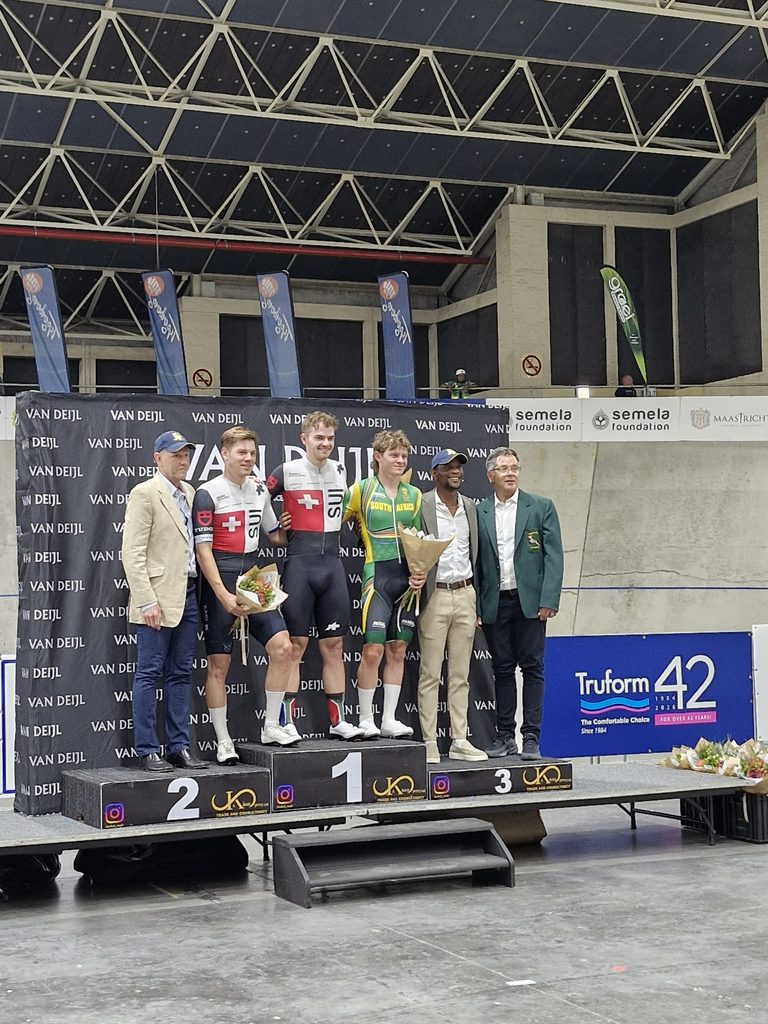
Gustav Roller’s brave ride for bronze in the elimination race will be remembered. Daniel le Roux’s sprints against Belgium and Great Britain, taking silver, captured the imagination of young and old alike and will go down in Bellville history. In the 1 500 m, Ethan Kulsen (silver) and James Swart (bronze) stayed closely on the wheel of Tuur Dens (Belgium) who won in 1:30.3 — a new South African record at an average of 59.8 km/h.

These results showed what is possible with a bit more high-level racing. The evening told us several clear things. The South African public is hungry for international track cycling. We need continuity — a couple of events like this each year rather than one isolated night every two decades. Our athletes can be competitive when given the chance. And a sustainable model is required if this is to become more than a one-off highlight.
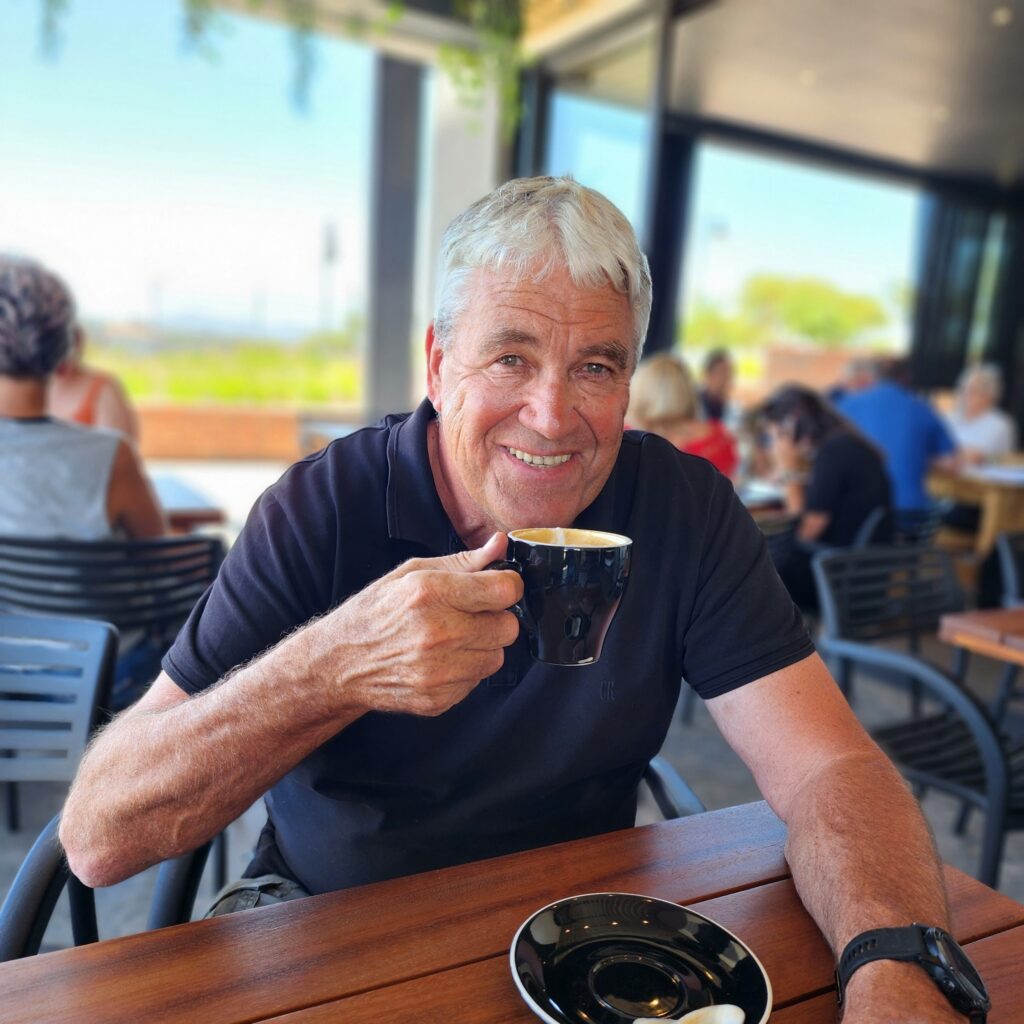
photo from Bicycling magazine
That model was demonstrated by the man who pulled it together: Chris Willemse. An experienced South African cycling personality who came through the ranks from scholars level, won national road and track titles, claimed the famous Paarl Boxing Day 25-mile, and later built a successful business. In his spare time he showed once again what this country can do when someone with knowledge, networks and determination decides to make it happen.The next question is the important one. Can we follow this up? Can we build on the foundation Chris has laid? The crowd of 2 000, the international support, the local heroes, and the clear appetite all suggest the answer should be yes. The only way to find out is to keep the momentum going.
About the author:
Jaco Scholtz is a Masters Track Cyclist, coach at MAX VELO Coaching and organiser within the South African track cycling community. He specialises in helping busy masters athletes maximise performance through structured, evidence-based training.
Join the MAX VELO Masters Community and receive the 7 Principles for Endurance Performance free, plus ongoing coaching insights to help you ride stronger, longer and faster.